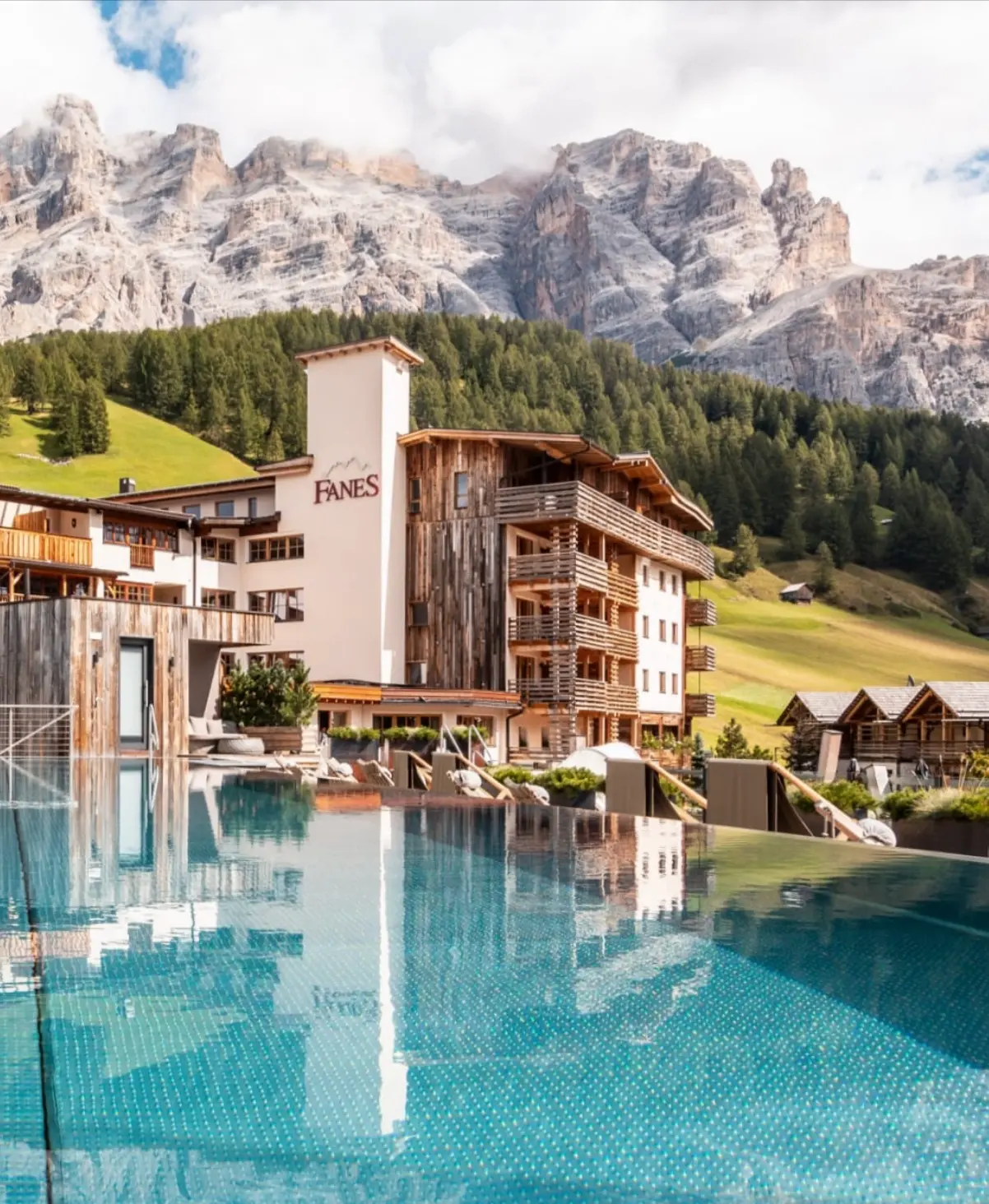
THE WARM AUTUMN OF VAL BADIA
San Vigilio di Marebbe and San Martino in Badia, after a sold-out summer, extend their events calendar with "Autumn Special" — the ideal bridge to reach the winter season without ever switching off. More than 20 appointments among guided tours, excursions and initiatives to tell the story of a territory where culture and nature meet.
San Vigilio di Marebbe and San Martino in Badia, after a sold-out summer, extend their events calendar with "Autumn Special" — the ideal bridge to reach the winter season without ever switching off. More than 20 appointments among guided tours, excursions and initiatives to tell the story of a territory where culture and nature meet.
A special moment to discover the lesser-known Dolomites, such as the Prati di Medalghes: a protected area in the Puez-Odle Nature Park, extending for about 10,000 hectares where fossil and marine traces dating back to the Jurassic period can be observed.
On the Fanes and Senes plateaus, instead, water plays a central role in the Nature Park, with wells, sinkholes and caves carved into the mountain. Rocks that hold the secrets of life from 190 million years ago. Here, in Conturines, remains of cave bears have in fact been found.
Animal lovers cannot miss a visit to the Owl Park in San Vigilio, which hosts more than 80 birds of prey belonging to 30 different species, with explanations from expert Marco Kelemina.
"Autumn Special" also reserves important moments for discovering Ladin culture, still rooted in the 5 Dolomite valleys, in the language, traditions and museums, starting with the "Museum Ladin Ciastel de Tor" in San Martino in Badia, a castle transformed in 1230 into a three-storey residential tower. In the municipality of San Martino is also Longiaru, the first Ladin and Dolomite village to be admitted to the international network of "Villages of Alpinists" in 2018.
The mountain of Val Badia rejects mass tourism in favor of sustainable and authentic development. With lifts, refuges and facilities open throughout autumn so as to distribute tourist attendance beyond the busiest periods, naturally following the change of course in hospitality in this territory.